


The Ethernet MAC Address is a unique identifier for network cards, of the form 05-A8-34-C3-67-B4 or B4 (6 pairs of digits and characters in the range A-F, which might or might not be separated by hyphens). This number is often imprinted on the network card; however, you may query your computer for the number, using one of the following methods: For Windows 7. Aug 05, 2020 iMac Pro and Mac Pro come with a built-in 10Gb Nbase-T Ethernet port, and iMac (Retina 5K, 27-inch, 2020) and Mac mini (2018) offer 10Gb Ethernet as an optional configuration. This port supports 1Gb, 2.5Gb, 5Gb, and 10Gb Ethernet using RJ-45 connectors and standard twisted-pair copper cabling up to 100 meters (328 feet) in length. Make Offer - Intel WiFi 6 AX200 Wireless Network Card 802.11ax MU-MIMO 160MHz Bluetooth 5.1 EDUP 600Mbps PCI-E 5G Wifi Card Bluetooth Adapter Dual Band Wireless Network $16.99.
For all Macs that match a specific Ethernet type - courtesy of EveryMac.com's Ultimate Mac Sort- click the Ethernet type of interest (right column). Please note that this listing provides the standard Ethernet capability of Macs as shipped - of course, systems that support expansion cards can support alternate configurations with a different. The network adapters or network interface cards always come with a MAC address which is fed into hardware, usually in read-only memory (ROM), or BIOS system. The physical address is stored into the NIC by its manufacturer, that is why this address is also called a burned-in address (BIA) or ethernet hardware address.
Use Wi-Fi
Learn how to connect to an open, secure, or hidden Wi-Fi network. You can also create a new Wi-Fi network.
Connect to a Wi-Fi network
Click in the menu bar, then choose a network. If Wi-Fi is off, click , then select Turn Wi-Fi On.*
If you connect to a public Wi-Fi network, a window might appear with terms and conditions you're asked to agree to before you can connect.
Connect to a secure Wi-Fi network
Secure Wi-Fi networks are password-protected and have by their names.
- Click in the menu bar. If Wi-Fi is off, click , then choose Turn Wi-Fi On.*
- Choose a network.
- Enter the password, then click Join. If you don't know the password to the Wi-Fi network, contact the network administrator.
Connect to a hidden network
- Click in the menu bar. If Wi-Fi is off, choose , then choose Turn Wi-Fi On.*
- Choose Join Other Network.
- Enter the network name. Make sure you enter the network name correctly.
- If the network is secure, choose the Security type, then enter the password.
- Click Join.
Learn what to do if you can't connect to a hidden network.
Create a Wi-Fi network

If you have Internet service at your location, you can connect an AirPort base station or a third-party router to your modem to create a Wi-Fi network. Use the setup guide for your AirPort base station, or check your third-party router's manual for help.
Ethernet Mac Layer
* If you don't see the Wi-Fi icon in the menu bar, you can add it back. Choose Apple () menu > System Preferences, click Network, click Wi-Fi, then select 'Show Wi-Fi status in menu bar'.
Use Personal Hotspot
With most carrier plans, you can share the cellular data connection of your iPhone or iPad (Wi-Fi + Cellular) with your Mac.
Learn how to set up Personal Hotspot.
Use Ethernet
To connect to the Internet over a wired connection, connect an Ethernet cable between your router or modem and the Ethernet port on your Mac.
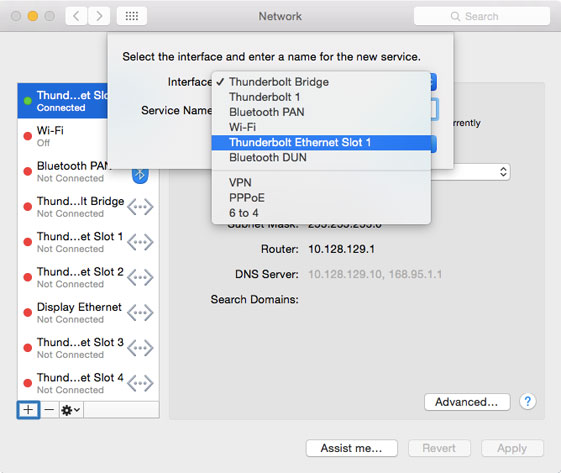
Some Macs require an Ethernet adapter like the Belkin USB-C to Gigabit Ethernet Adapter, or the Apple Thunderbolt to Gigabit Ethernet Adapter.
Learn more
- Use recommended settings for Wi-Fi routers and access points.
iMac Pro and Mac Pro come with a built-in 10Gb Nbase-T Ethernet port, and iMac (Retina 5K, 27-inch, 2020) and Mac mini (2018) offer 10Gb Ethernet as an optional configuration. This port supports 1Gb, 2.5Gb, 5Gb, and 10Gb Ethernet using RJ-45 connectors and standard twisted-pair copper cabling up to 100 meters (328 feet) in length.
When you connect your Mac to another device via Ethernet, the highest possible speed is negotiated automatically. The speed depends on the capabilities of the device and the Ethernet cable. For example, if the device that you connect to is 10 Gbps-capable — and the cable you use can support the speed — your Mac and the device can transfer data at 10 Gbps.
Learn how the type of cable that you use can affect Ethernet speeds in the table below. The speeds shown are for cables up to 100 meters (328 feet) in length, unless otherwise specified.
| 10BaseT | 100BaseT | 1 Gbps | 2.5 Gbps | 5 Gbps | 10 Gbps | |
|---|---|---|---|---|---|---|
| Category 5e Ethernet cable | Not supported | Supported | Supported | Supported | Supported | Not supported |
| Category 6 Ethernet cable | Not supported | Supported | Supported | Supported | Supported | Supported up to 55 m (180 feet) in length |
| Category 6a or later Ethernet cable | Not supported | Supported | Supported | Supported | Supported | Supported |
Ethernet Card For Mac Pro
Learn more
- When you use Windows via Boot Camp on your Mac, it's best to leave your Ethernet port speed set to Autosense. If you configure the link speed manually in the Network and Internet Control Panel within Windows, you might get Ethernet speeds that reach a maximum of 1 Gbps.
- If the data transfer speeds between your Mac and another device connected through Ethernet are lower than you expect, first make sure that you're using a supported cable type and length. Then check with the device's manufacturer to make sure its firmware is up to date.